Contents (13 sections)
Introduction
Choosing the right sports watch can dramatically enhance your athletic performance and training. With countless options on the market, it is crucial to know which features will cater to your specific needs. This guide will explore critical sports watch features and help you make an informed decision.
1. GPS and Navigation
Modern sports watches are equipped with GPS technology, crucial for outdoor activities such as running, cycling, and hiking. GPS allows you to track your route and distance accurately, offering data that helps improve your training efficiency. Look for watches with GLONASS or Galileo support for enhanced accuracy. An example is the Garmin Forerunner series, known for precise tracking and route guidance, which makes it a favourite among professional athletes.
Poor GPS performance can lead to inaccurate measurements and tracking, potentially hindering progress analysis. Ensure your watch has excellent reviews regarding GPS reliability and includes features like live tracking, which can also ensure safety during solo activities.
2. Heart Rate Monitoring
Heart rate monitoring is vital for tracking real-time workout intensity. Advanced models use optical sensors for continuous heart rate measurement. Ensure the watch provides reliable and accurate data. Watches like the Apple Watch have set industry standards with their ECG functionality, albeit at a higher price point.
Understanding your heart rate zones enables better regulation of workout intensity, preventing overtraining and promoting efficiency. Some models even offer VO2 max estimates, which provide insights into your cardiovascular fitness.
3. Durability and Water Resistance
A sports watch must endure various environments. Watches with a rating of 5ATM or 50 metres are generally water-resistant enough for swimming. However, for more rigorous water sports, look for higher ratings. The Suunto 9 series is popular for its robust build and high water resistance.
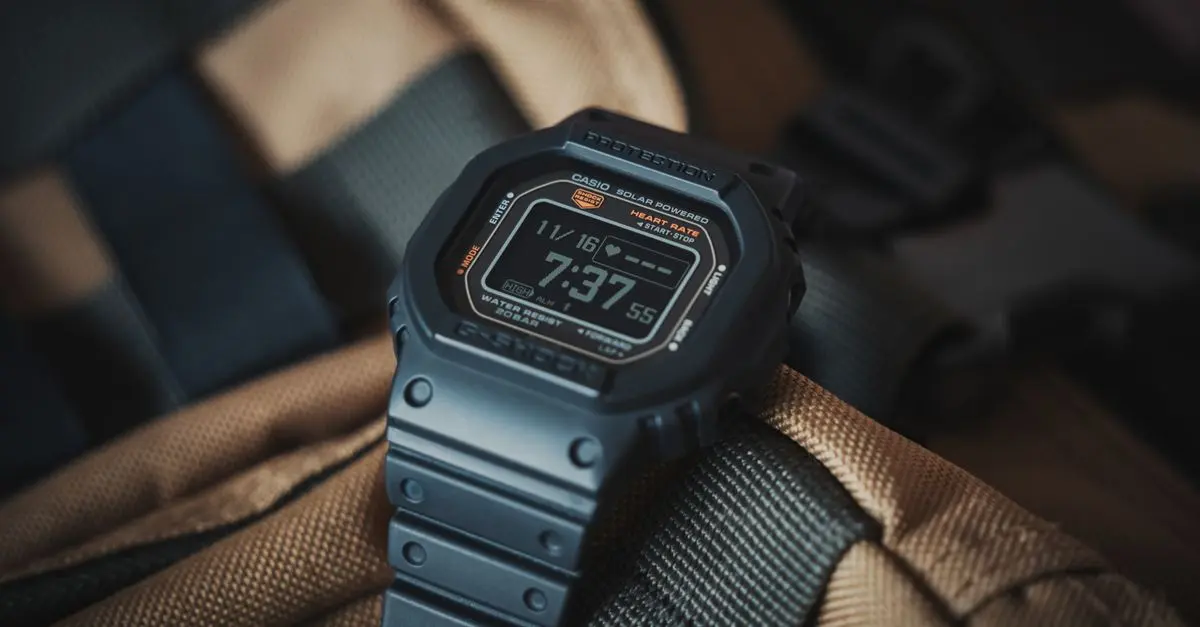
Durable materials like stainless steel or titanium enhance a watch's longevity while protecting it from scratches and impacts. Testimonies from users on forums such as Reddit often highlight the ruggedness of the Casio G-Shock models in challenging environments.
4. Battery Life
Battery life is a significant consideration, especially for those engaging in long-distance events. Some watches offer up to two weeks on standard use or four days with GPS active. Long battery life reduces the need for frequent charging, ensuring the watch remains operational throughout prolonged activities.
When reviewing battery life, consider models like the Polar Vantage series, which offer extended life even with constant activity monitoring. Certain models provide a variety of modes that optimise battery consumption based on usage needs.
5. Connectivity and Apps
Connectivity is crucial for data syncing and utilising app features. Consider watches with Bluetooth and Wi-Fi compatibility. Integration with apps like Strava or Nike Run Club provides a richer data analysis experience.
Smartwatch capabilities, including calling and messaging, can be beneficial for those who need accessible communication options during activities. The Samsung Galaxy Watch is praised for its extensive app ecosystem and connectivity options.
6. Display Quality
A clear display is essential for readability, especially in bright conditions or underwater. Opt for a watch with a high-resolution screen and adjustable brightness settings. AMOLED screens, like those in the Amazfit Stratos series, provide vibrant displays suitable for various environments.
In outdoor settings, consider watches with transflective displays that enhance readability under direct sunlight. This feature is particularly appreciated by runners and cyclists who frequently check their stats mid-exercise.
7. Price and Brand Considerations
Price is inevitably a key factor. Balancing features with cost is crucial. Well-known brands such as Garmin, Suunto, and Polar offer reliable options tailored to specific activities. Generally, higher-priced models provide more advanced features.
When considering budget options, look for reputable brands that offer solid guarantees and customer support. User reviews and comparison tools on sites like Les Numériques can aid in making an informed decision.
📺 Resource Video
> 📺 For further insights: [Comprehensive Sports Watch Buying Guide] offers an in-depth comparison of various models. Search on YouTube: “sports watch guide 2026”.
Glossary
| Term | Definition |
|---|---|
| GPS | Global Positioning System used for navigation and route tracking. |
| Heart Rate Zone | Different levels of intensity based on heart rate percentage of maximum. |
| VO2 Max | Maximum rate of oxygen consumption measured during incremental exercise. |
Checklist Before Purchase
- [ ] Verify GPS accuracy
- [ ] Assess heart rate monitoring features
- [ ] Ensure adequate water resistance
- [ ] Review battery life estimates
- [ ] Check connectivity and app compatibility
FAQs
- What is the most important feature in a sports watch?
The most critical feature often depends on personal needs. However, GPS accuracy is vital for outdoor enthusiasts.
- How do I ensure my sports watch can handle water exposure?
Look for water resistance ratings. For swimming, a 5ATM rating is typically adequate.
- Do all sports watches track heart rate?
Most modern sports watches include heart rate monitoring, but the accuracy can vary.
- Can I use any sports watch with my smartphone?
Compatibility depends on the operating system. Ensure the watch supports your smartphone's OS before purchasing.
🧠 Quiz rapide : Which feature is critical for tracking outdoor activities?
- A) Display Quality
- B) GPS and Navigation
- C) Battery Life
Réponse : B — GPS and Navigation is essential for accurate tracking and navigation during outdoor sports.