Contents (12 sections)
In the ever-evolving world of sports, selecting the right sports apparel that suits the climate can be a game-changer. Proper clothing not only enhances performance but also ensures comfort and protection during various weather conditions.
Understanding Sports Apparel and Climate
Sports apparel includes a range of clothing designed specifically for athletic activities. From moisture-wicking shirts to thermal tights, these garments meet the functional and comfort needs of athletes. Understanding how climate impacts your performance is crucial. In hotter climates, for example, lightweight and breathable fabrics such as polyester or nylon are recommended. These materials help wick away sweat, keeping your body cool and dry. According to UFC-Que Choisir, up to 90% of sports performance can be affected by inappropriate clothing choices in adverse weather conditions.
Selecting Apparel for Hot Weather
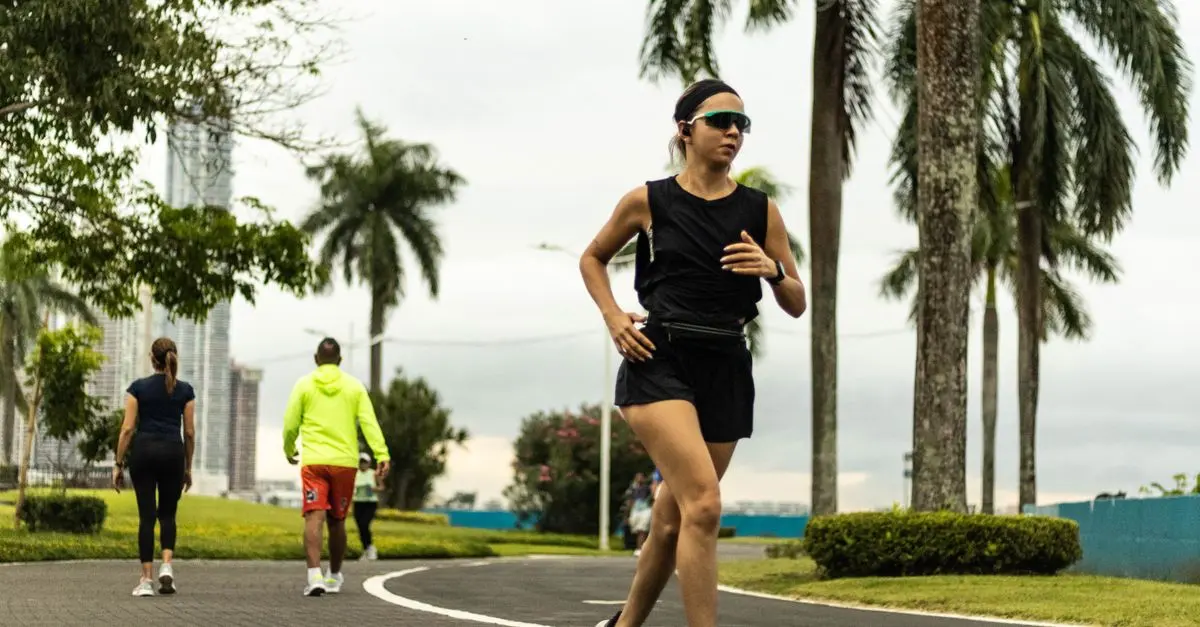
When exercising in hot weather, it's essential to choose clothing that enhances breathability. Opt for light-coloured clothing as dark hues absorb more heat. Brands like Nike and Adidas offer apparel lines specifically designed for warm climates. Look for shirts with mesh panels or ventilation zones, as these features promote airflow and regulate body temperature. Additionally, incorporating accessories like visors rather than full caps helps shade the face while allowing heat to escape from the top of your head.
Apparel for Cold Climates
In colder climates, your goal should be to maintain warmth without restricting movement. Layering becomes crucial here. Start with a moisture-wicking base layer followed by an insulating middle layer like fleece, and finally, a waterproof and windproof outer layer. According to a study by Columbia University in 2025, effective layering can reduce the risk of hypothermia by 40% during cold-weather activities. Patagonia and Under Armour offer excellent options for cold-weather sports apparel.
💡 Avis d'expert :
> "The key to choosing the right sports apparel for different climates is understanding your personal needs and how your body responds to temperature changes," states Dr Sarah Hemsworth, a sports physiologist. "It's not just the fabric but also the fit and flexibility that matter."
Suitable Clothing for Rainy Conditions
When you're dealing with rain, ensuring you’ve got waterproof and breathable clothing is necessary. This prevents soaking while allowing perspiration to escape. Fabrics treated with durable water repellent (DWR) finishes are ideal. Garments with sealed seams also prevent water ingress. Gore-Tex is a popular membrane that provides these features without adding bulk.
Comparative Analysis of Apparel in Different Climates
To make an informed decision, weigh the pros and cons of different apparel types across climates.
| Criteria | Hot Climate | Cold Climate | Rainy Climate | Verdict |
|---|---|---|---|---|
| Breathability | High | Medium | Medium | Choose lightweight and ventilated gear for hot climates. |
| Heat Retention | Low | High | Medium | Opt for wool or fleece in cold weather. |
| Water Resistance | Low | Medium | High | Rain gear should feature DWR coatings. |
| Flexibility | High | Medium | Medium | Prioritize non-restrictive materials for all climates. |
Sports apparel sales continue to grow globally, with performance-oriented fabrics dominating the market. According to Statista in 2024, performance fabric sales accounted for 70% of the global sportswear market. This trend highlights the increasing consumer demand for adaptive sportswear suitable for all climates.
📺 Ressource Vidéo
> 📺 Pour aller plus loin : Choosing Sportswear for Various Climates, a detailed analysis of material suitability. Recherchez sur YouTube : "choosing sportswear for climate"
Frequently Asked Questions
- What are breathable fabrics?
Breathable fabrics such as polyester and nylon allow sweat to escape, keeping you dry and cool.
- How does layering help in cold climates?
Layering traps heat between layers, providing insulation and regulating temperature.
- Is cotton suitable for rainy conditions?
Cotton absorbs moisture, making it unsuitable for wet weather where waterproof materials are preferred.
- Why are DWR finishes important?
Durable Water Repellent (DWR) finishes help water bead off clothing, enhancing water resistance.
Glossaire
| Terme | Définition |
|---|---|
| Moisture-wicking | Fabric’s ability to move sweat away from the body to the fabric's surface |
| DWR (Durable Water Repellent) | A coating added to fabrics to make them water-resistant |
| Hypothermia | Condition where body temperature drops dangerously low |
- [ ] Verify if the fabric is breathable or moisture-wicking.
- [ ] Compare warmth and insulation properties for cold climates.
- [ ] Check for durable water repellent (DWR) coatings on rain gear.
- [ ] Ensure flexibility for full range of motion.
- [ ] Confirm size and fit; not too loose or tight.
- [ ] Assess the weight of the garment; lighter for hot climates, heavier for cold.
Choosing suitable sports apparel for different climates requires a thoughtful approach considering comfort, functionality, and climate adaptability. Investing in the right gear can significantly enhance your sporting experience and performance.